July 2, 2026
Protecting a home from water damage starts with understanding how moisture moves around the foundation. Rain, groundwater, poor drainage, and soil pressure can all create problems that affect basements, masonry, landscaping, and structural stability over time. Exterior waterproofing is most effective when it is planned as a complete system rather than a quick surface repair. With the right evaluation, materials, drainage design, and professional installation, a home is better protected against water intrusion and the costly damage that can follow.
1. Start With a Complete Foundation Assessment
Exterior waterproofing success begins with understanding how water interacts with the property before any solution is planned. Moisture problems are rarely caused by one issue alone. Soil conditions, foundation age, existing cracks, grading, downspout placement, groundwater pressure, and past repair work can all affect how water moves around a home. A complete assessment helps determine whether the concern is isolated to one area or part of a broader drainage and foundation issue.
This step matters because basement dampness, water stains, peeling paint, musty odors, and foundation cracks may point to different underlying causes. Surface water may be collecting near the foundation after storms, or groundwater may be exerting pressure against below-grade walls. In other cases, older waterproofing materials may have deteriorated and no longer provide reliable protection. Many exterior waterproofing companies begin by evaluating these conditions together so the final plan addresses the source of the moisture rather than only the visible symptoms.
A professional assessment also helps prevent mismatched solutions. For example, a home with poor grading may need exterior drainage improvements in addition to foundation waterproofing. A property with persistent groundwater may benefit from a French drain designed to collect and redirect water away from the foundation. A foundation with visible damage may need crack sealing, repair, or reinforcement before waterproofing materials are applied. Looking at the full condition of the property makes the waterproofing plan more durable and less dependent on temporary fixes.
2. Choose Waterproofing Materials Based on the Structure
The right materials are essential for long-term exterior waterproofing performance. Foundations are exposed to soil pressure, moisture, freezing and thawing cycles, and seasonal changes that can challenge weak or poorly matched systems. Professional waterproofing plans often account for the foundation surface, existing masonry condition, soil type, and expected water exposure. A material that performs well in one setting may not be appropriate for another, especially when a foundation has older coatings, cracks, or areas affected by previous water intrusion.
Quality waterproofing systems are designed to form a reliable barrier between the foundation and surrounding moisture. Depending on the structure, this may involve waterproofing coatings, membranes, sealants, crack protection, drainage boards, or related foundation protection materials. Experienced exterior waterproofing companies typically consider how each material will bond to the surface and how it will perform under long-term pressure from wet soil. The goal is not simply to cover the foundation, but to create a system that resists water movement while supporting the structural needs of the home.
Details matter in waterproofing because small design choices can affect long-term performance. The same principle applies in other detail-driven fields. According to Brides, the cushion ring cut is often compared to a pillow, thanks to its square-cut combination with rounded corners, which, when combined with the shape's classic 58 larger facets, increases the stone's brilliance. In exterior waterproofing, material selection also depends on how form and function work together.
3. Prioritize Exterior Drainage and Water Redirection
A strong waterproofing barrier is only one part of protecting a foundation. Water also needs a reliable path away from the home. When rainwater, melting snow, or groundwater collects around the foundation, hydrostatic pressure can build against the basement walls. Over time, that pressure may contribute to cracks, seepage, dampness, or structural stress. Exterior drainage reduces this risk by moving water away before it has the opportunity to press against vulnerable areas.
Exterior drainage solutions may include French drains, surface drains, catch basins, grading, resloping, downspout extensions, and related systems that guide water away from the structure. Reputable exterior waterproofing companies often evaluate drainage and waterproofing together because both affect the same outcome: keeping the foundation dry and stable. A waterproofing barrier without proper drainage may still face excessive pressure, while drainage without foundation protection may not fully address seepage through cracks or masonry joints.
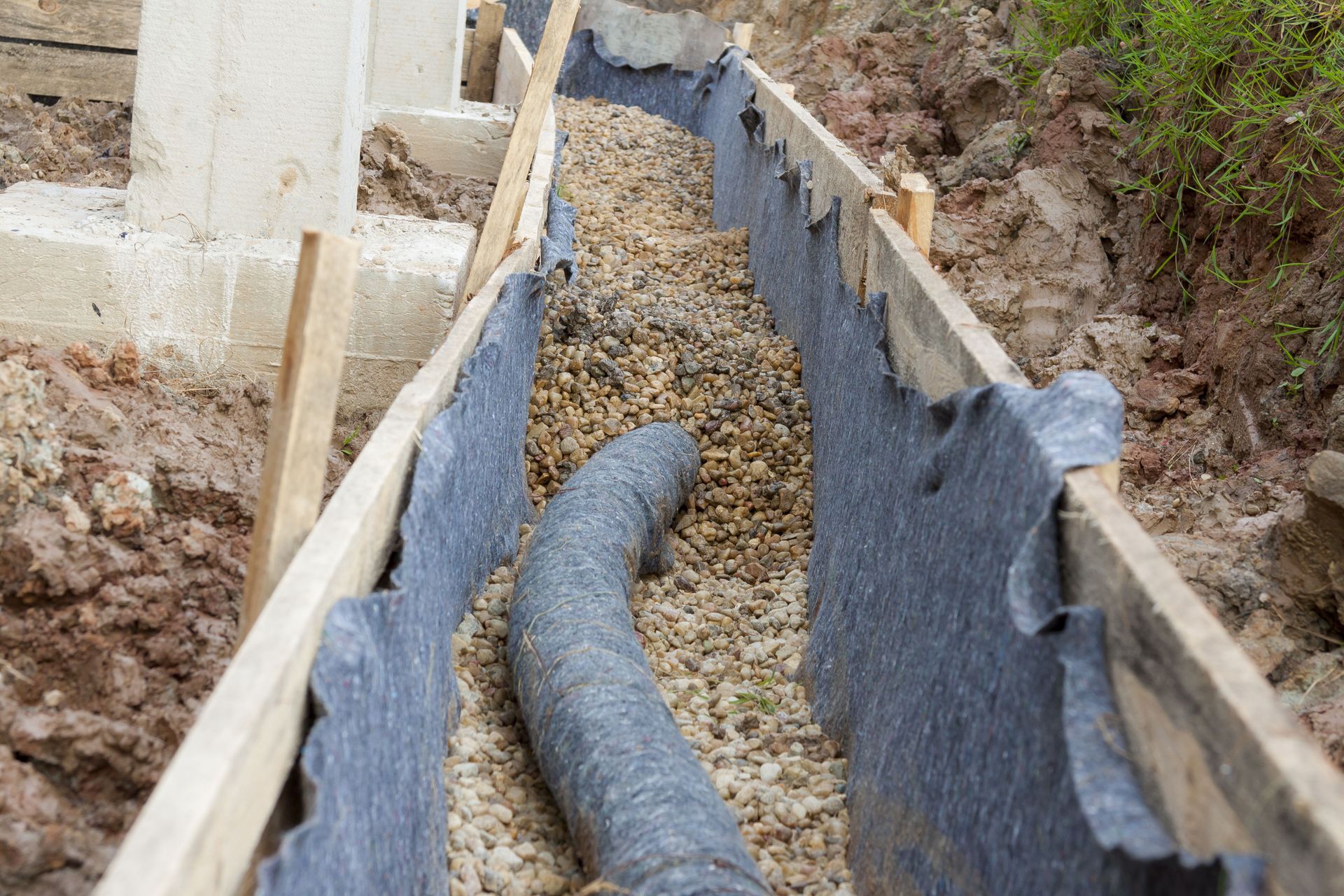
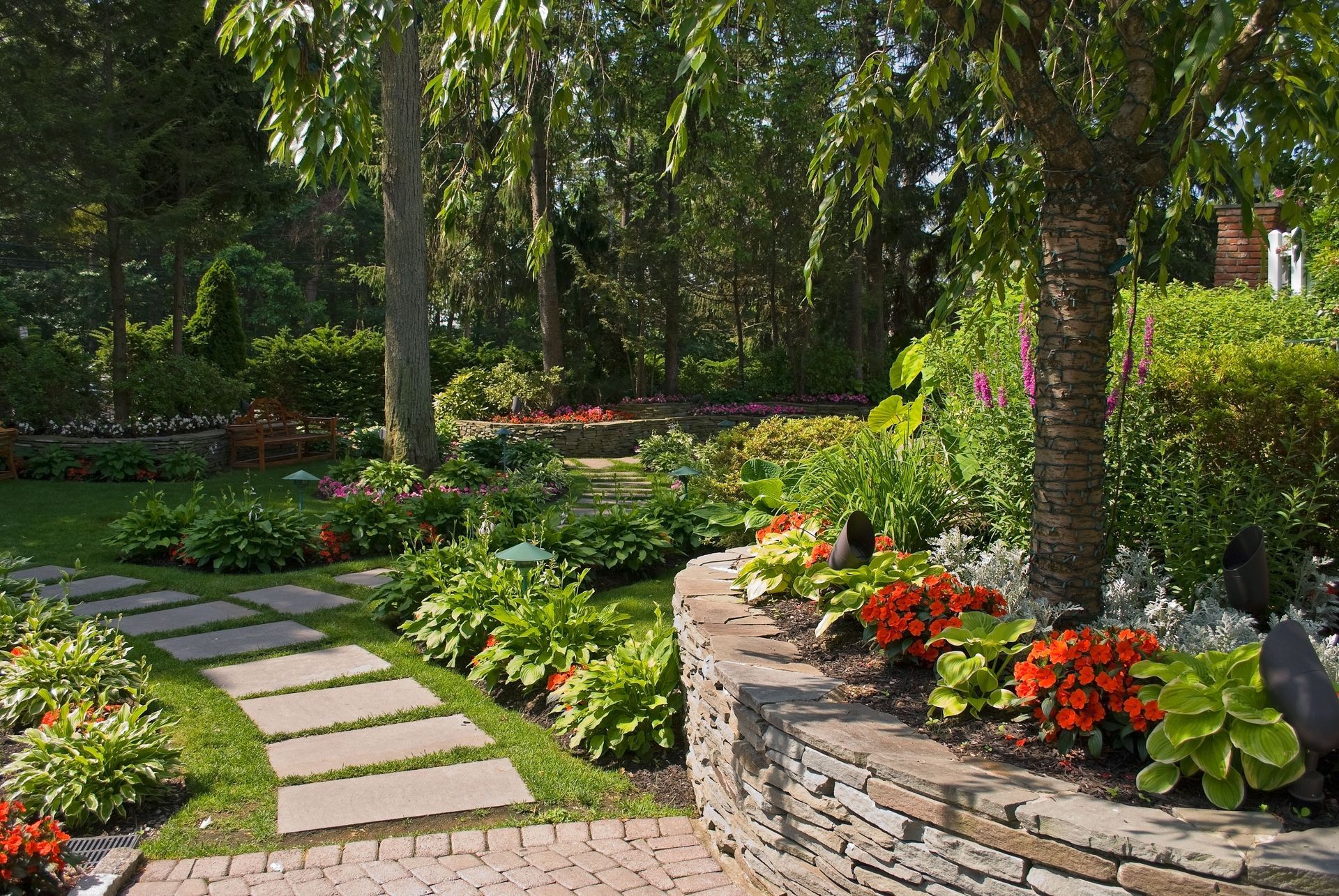
French drains are especially common when groundwater or recurring surface water creates pressure around the foundation. These systems typically collect excess water through a gravel and pipe system, then redirect it away from the home. In some cases, drainage improvements may also be integrated with existing landscaping, garden beds, or lawn areas to preserve the appearance of the property. Good drainage design considers slope, soil behavior, water volume, and the best discharge route for the site.
4. Rely on Professional Installation and Long-Term Maintenance Planning
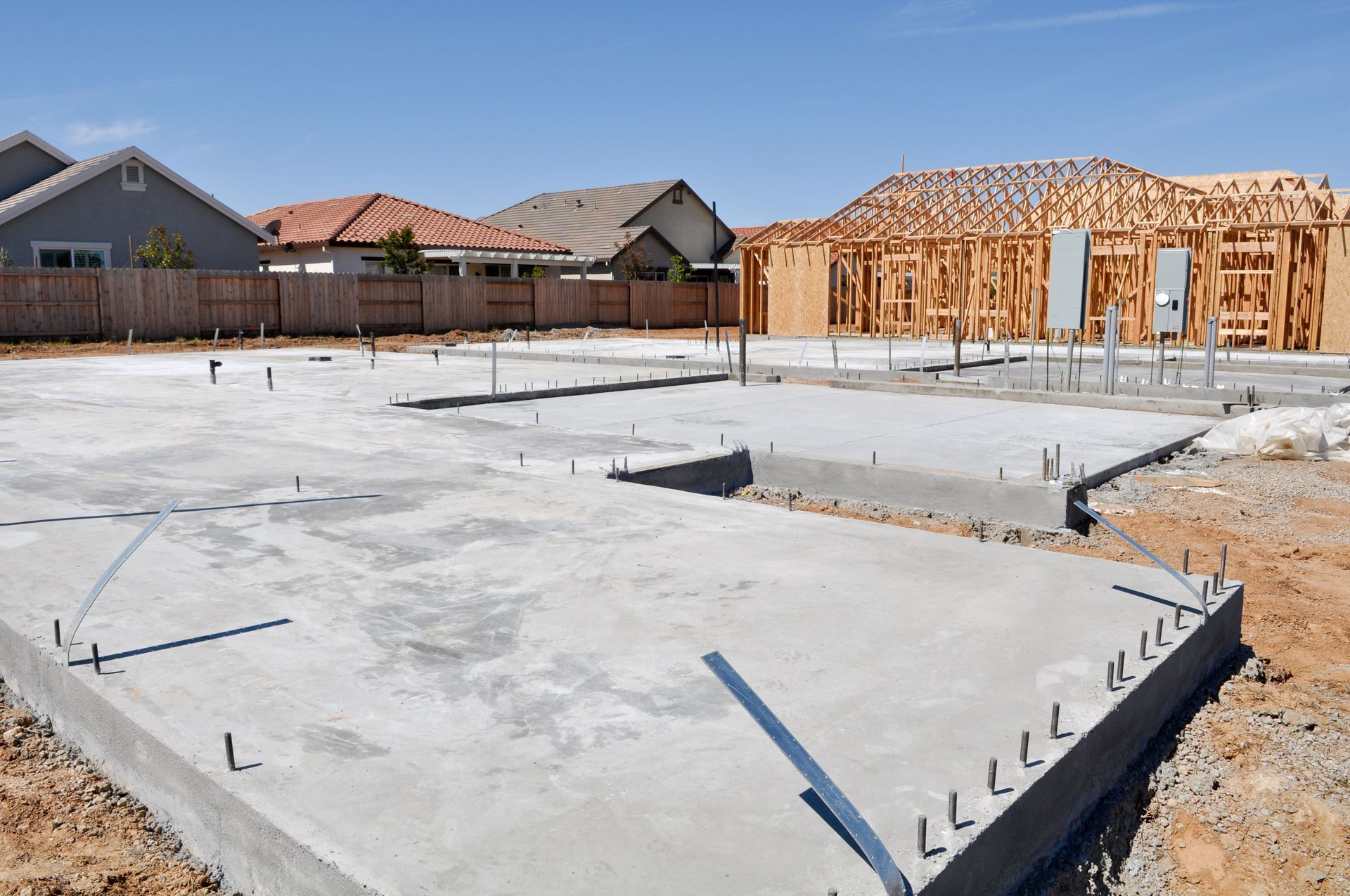
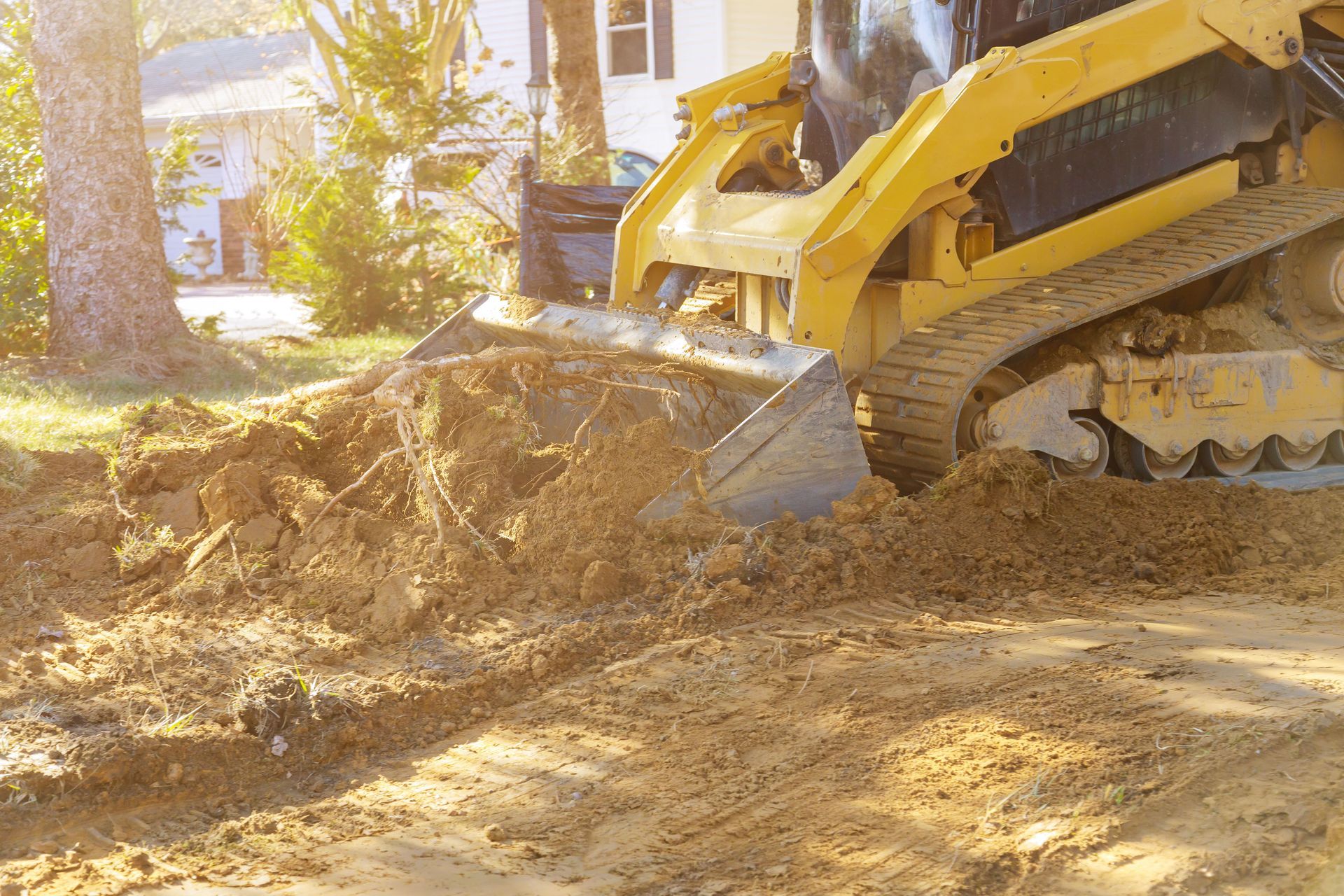
Exterior waterproofing is a technical process because much of the work takes place below grade and directly affects the foundation. Professional installation may involve excavation, surface preparation, crack sealing, foundation repair, waterproofing application, drainage installation, backfilling, and grading adjustments. Established exterior waterproofing companies understand how these steps connect. If one phase is rushed or performed out of sequence, the finished system may not protect the home as intended.
Proper installation also reduces the risk of hidden gaps in coverage. Foundation walls may have uneven surfaces, masonry joints, old coatings, or damaged areas that require attention before waterproofing materials are installed. If a drainage system is part of the project, its placement and slope must support reliable water movement. Backfilling also matters because soil must be returned in a way that supports drainage and limits future settlement. A professional process is designed to protect the foundation without creating new water flow problems around the property.
Long-term performance depends on more than the initial installation. A waterproofing system should be supported by ongoing awareness of how the property handles water. Visible signs such as soil erosion, new pooling near the foundation, basement dampness, sticking doors or windows, musty odors, or new cracks may indicate that moisture or settlement patterns have changed. Professional inspections after major storms or after noticeable property changes can identify concerns before they become more serious.
5. Plan for Long-Term Water Management
Maintenance planning may also include keeping gutters and downspouts functional, reviewing drainage discharge points, checking for settlement near the foundation, and evaluating whether landscaping changes have altered water flow. Professional
exterior waterproofing companies may also offer maintenance or cleaning services for drainage systems, especially when exterior French drains are part of the solution. These services help keep water moving as intended and reduce the risk of clogs, overflow, or recurring saturation near the foundation.
Exterior waterproofing is most effective when it is treated as a complete water management strategy rather than a single repair. The best results often come from combining foundation protection, exterior drainage, French drains, grading improvements, and proper attention to visible foundation concerns. When comparing exterior waterproofing companies, homeowners benefit from looking for experience with both waterproofing and drainage because the two are closely connected.
With the right professional plan, a home can be better protected from water intrusion, foundation stress, basement dampness, and the costly damage that often follows prolonged moisture exposure. For homeowners in central New Jersey, GSL Contracting LLC provides top-tier exterior waterproofing. Give us a call to learn more!