April 28, 2026
In home landscaping, hardscaping plays a pivotal role by complementing greenery with structured, built elements. Hardscaping includes non-plant features in a landscape design, such as pathways, patios, retaining walls, and more. These elements offer functional benefits while improving the aesthetic appeal of a property, which can increase its market value. As today's homeowners look for more ways to maximize their outdoor living spaces, hardscaping has become a major focus in landscaping projects. Through thoughtful design and strategic implementation, hardscaping can transform ordinary yards into stunning, functional outdoor retreats.
Designing Pathways and Walkways
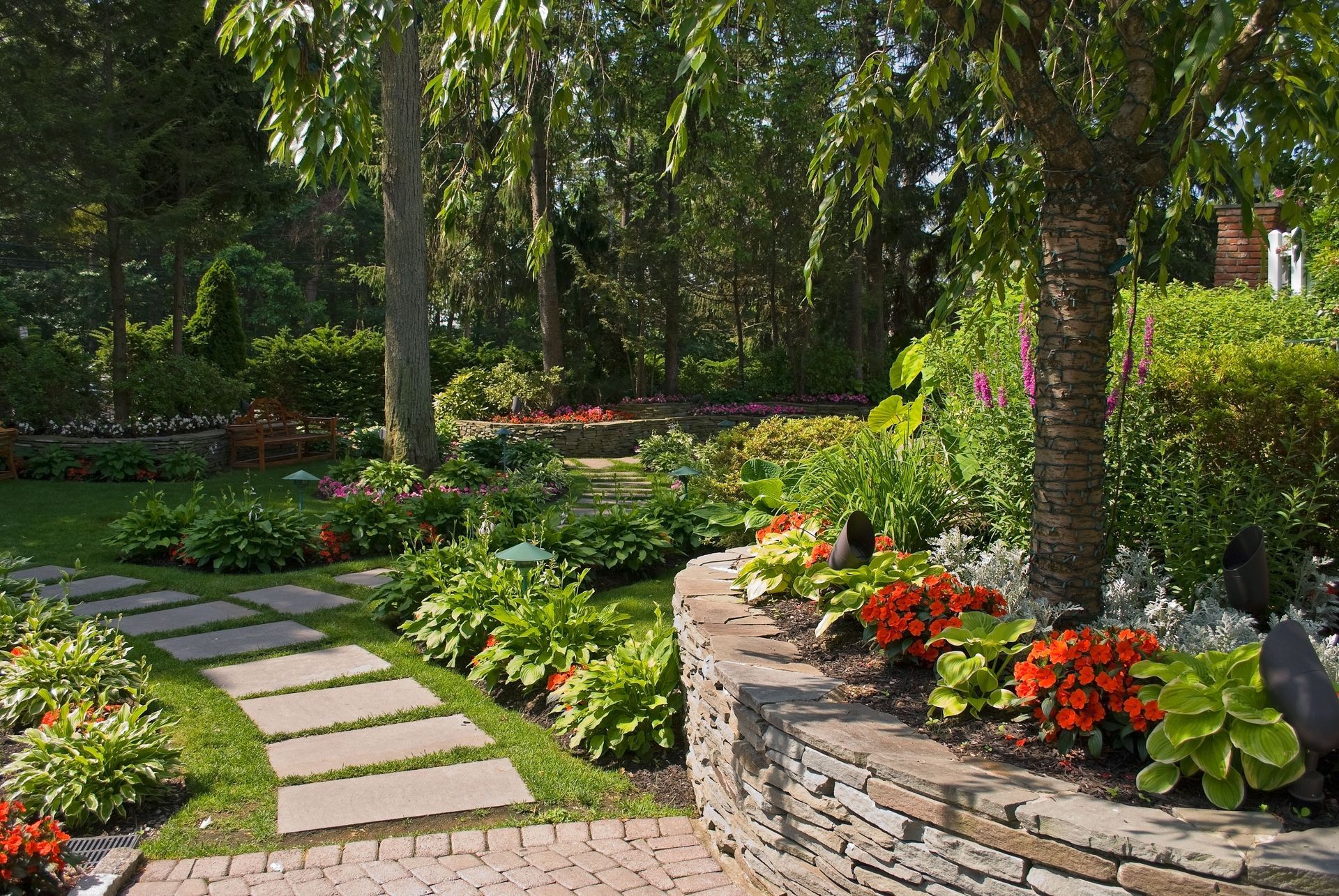
Designing pathways and walkways requires choosing the right materials to match both aesthetic and functional needs. Popular materials include stone, brick, and concrete, each offering unique textures and durability. The colors and patterns you select can drastically influence the visual appeal, allowing the paths to either blend in or stand out as a focal point. High-quality materials support longevity and low-maintenance appeal, contributing to the overall value of the property. A well-designed path not only guides visitors but also unifies elements of your landscape for a cohesive look.
Lighting is a crucial aspect of pathway design, serving both aesthetic and safety purposes. By strategically placing lights along walkways, homeowners can highlight the beauty of the path and the surrounding landscape at night. Low-voltage LED lights or solar-powered fixtures are energy-efficient choices that provide ample illumination without excessive electricity costs. This attention to detail uplifts night-time curb appeal and enhances pedestrian safety, preventing accidents in poorly lit areas. Well-lit pathways signal a well-maintained property, which is always appealing to potential buyers.
The strategic placement of pathways is essential for maximizing their impact. They should lead naturally to points of interest such as gardens, patios, or front doors, guiding guests fluidly through the outdoor space. Meandering paths can add a sense of exploration and intrigue, while straight paths convey directness and formality. Bordering pathways with decorative edging or planting beds can soften hard edges and integrate structure into the natural environment. Regular maintenance, such as cleaning and repairs, is vital for keeping paths in optimal condition, preserving the investment in terms of both function and beauty.
Enhancing Outdoor Living Spaces
Outdoor living spaces like patios become extensions of our homes when designed to be both functional and inviting. Choosing the right materials is essential, with options ranging from natural stone to modern composite decking. Each material offers a different aesthetic and level of maintenance, allowing homeowners to find a balance between beauty and practicality. Properly designed patios offer comfortable seating arrangements, creating perfect venues for gatherings or quiet relaxation, thus adding considerable value to the property. By blending these outdoor rooms with the surrounding landscape, one enriches both the utility and visual appeal of their home.
Integrating outdoor kitchens into patios creates opportunities for dining and entertaining outdoors, enhancing the overall lifestyle quality. Modern outdoor kitchens can range from simple grill setups to sophisticated layouts complete with sinks, refrigerators, and built-in cabinets. These kitchens transform entertaining by keeping all the action outdoors, reducing foot traffic inside the home, and making hosting more seamless. The convenience and novelty of an outdoor kitchen are attractive to buyers and can significantly boost property value by extending usable living space. Selecting durable materials that withstand the elements is key to maintaining functionality and aesthetics over time.
Covered areas, such as pergolas or awnings, provide respite from sun and rain, enabling the use of outdoor spaces in diverse weather conditions. Designing these shelters with coordinating materials and colors integrates them with the ambiance of both the patio and the house. Covered spaces can house eating areas, lounges, or quiet nooks, adapting to various lifestyle needs. Including heating elements or curtains can further extend usability into cooler months. These thoughtful enhancements make the outdoor spaces versatile and enjoyable year-round, adding substantial appeal to potential home buyers.
Building Retaining Walls For Functional Beauty
Retaining walls serve dual purposes: they provide essential structural support to prevent soil erosion and significantly enhance landscape aesthetics. Assessing the landscape's specific needs is the first step, identifying areas prone to erosion or in need of terraces for plantings. A well-built retaining wall can transform a dull slope into a series of leveled garden beds, creating versatile planting opportunities. According to LawnStarter, retaining walls can raise home value by as much as 15% by adding both function and visual appeal. Their ability to control and utilize sloping terrain makes them invaluable, especially in properties with uneven landscapes.
The choice of materials for retaining walls is diverse, including wood, stone, brick, and concrete, each offering distinct aesthetic qualities. Natural stone offers a timeless look that blends seamlessly with gardens, while brick conveys classic elegance. Concrete is versatile, offering strength and variety in texture and form. Properly selecting materials to complement the home's architecture can elevate the aesthetic value of the entire property. The material chosen should also consider climate resilience, as weather resistance is critical to the longevity of retaining structures.
Effective design tips for retaining walls include considering wall height, structural reinforcement, and integration with other landscape elements. Curved walls add visual interest and appear more organic, blending better with natural surroundings. Incorporating seating areas or planters into the wall design extends functionality and usefulness. Strategic gardens or plantings atop and around retaining walls bring life and color, softening their hard lines and integrating with nature. Regular inspection and maintenance keep these structures secure, helping them remain attractive and functional over time.
Creating Focal Points With Built Outdoor Elements
Focal points in the landscape, such as statues or sculptures, draw the eye and add cultural or artistic depth to outdoor spaces. Choosing pieces that resonate with personal taste while harmonizing with the property's overall theme is crucial for creating cohesive designs. Whether classical statues or modern sculptures, these elements become conversation starters and reflect the homeowner's personality. The strategic placement of focal points makes them visible and impactful, guiding the viewer's journey through the landscape. The visual intrigue they offer helps elevate the property's perceived value by creating distinctive memory points.
Fountains and ponds introduce the element of water into a landscape, providing visual and auditory relaxation that naturally attracts attention and enhances the space's tranquility. The delightful sound of flowing water creates a serene ambiance, transforming ordinary gardens into relaxing retreats. These water features can be designed in numerous styles, from tiered fountains and bubbling urns to ponds with rock waterfalls. Proper installation and routine maintenance keep these features clear, beautiful, and functional, preserving their impact on property value. Beyond visual appeal, water features support diverse wildlife, adding a dynamic element to hardscaping.
Pergolas and arbors make eye-catching architectural statements, adding dynamic vertical elements that offer shade, designated sitting areas, or entrances to parts of the garden. Building these structures with quality materials like cedar or metal promotes durability and integration with nature. They offer opportunities for climbing plants like ivy or wisteria to flourish, creating natural green canopies that evolve with the seasons. Adding lighting or drapery enhances their aesthetics and use during evenings or cooler months, prolonging enjoyment. These features' charm and functionality can increase a property's visual differentiation, making it more appealing to potential buyers.
Investing in hardscaping offers numerous benefits, both immediate and long-term, in terms of property value and curb appeal. Carefully selecting and implementing pathways, outdoor living spaces, retaining walls, focal points, and sustainable practices can transform ordinary landscapes into extraordinary outdoor experiences. These enhancements not only enrich personal enjoyment but also increase property attractiveness to potential buyers, offering an excellent return on investment. Homeowners are encouraged to start small, plan appropriately, and consider professional guidance for their hardscaping projects. Ultimately, hardscaping represents a sound investment in the home, increasing satisfaction and financial value. Contact GSL Contracting today for more information.