November 13, 2026
Embarking on a new construction project is an exciting endeavor, whether you are building a custom home, erecting a commercial facility, or adding a major structure to your property. Before any foundation can be poured or vertical framing can begin, the ground underneath must be properly assessed, cleared, and shaped. Understanding the fundamentals of ground stabilization ensures that your build starts on solid footing and avoids costly structural surprises down the road. Proper land preparation transforms raw, uneven terrain into a stable, well-draining foundation capable of supporting heavy loads for decades. Partnering with experienced contractors who specialize in excavation and site prep guarantees that every environmental and structural factor is accounted for before heavy machinery arrives on site. Learning what happens during these foundational stages empowers property owners to make informed decisions and navigate their construction projects with confidence.
Conducting Site Assessments and Utility Location Services
The initial step in any land development project involves a comprehensive site evaluation to identify ground conditions and hidden underground utilities. Before heavy equipment disturbs the earth, surveyor crews mark property boundaries, map elevation contours, and establish precise benchmark elevations. Dialing local utility locators is a mandatory safety measure to prevent accidental strikes on buried electrical conduits, water mains, fiber optic cables, or gas pipelines. Beyond utility mapping, geotechnical engineers take soil core samples to assess load-bearing capacity, moisture content, and subsoil composition. Skipping thorough site evaluations risks costly delays, equipment damage, or severe structural settling after construction concludes. Investing adequate time in initial site assessment lays the groundwork for seamless excavation and site prep operations.
Clearing Surface Debris and Removing Vegetation Barriers
Once utilities are marked and site boundaries are established, contractors focus on clearing surface obstructions that interfere with ground grading. Heavy machinery such as bulldozers and land clearing tractors pull down mature trees, extract stubborn stump roots, and strip away dense brush. Removing organic topsoil is crucial because decaying leaves, roots, and vegetation create soft pockets that compromise structural foundations over time. Contractors stockpile fertile topsoil in designated areas on site for future landscaping and final grade restoration. Thorough land clearing creates an unobstructed workspace for heavy earthmoving machinery to operate efficiently. Proper vegetation removal serves as the vital bridge between raw wilderness and structured excavation and site prep activities.
Managing Bulk Earthmoving Operations and Machinery Utilization
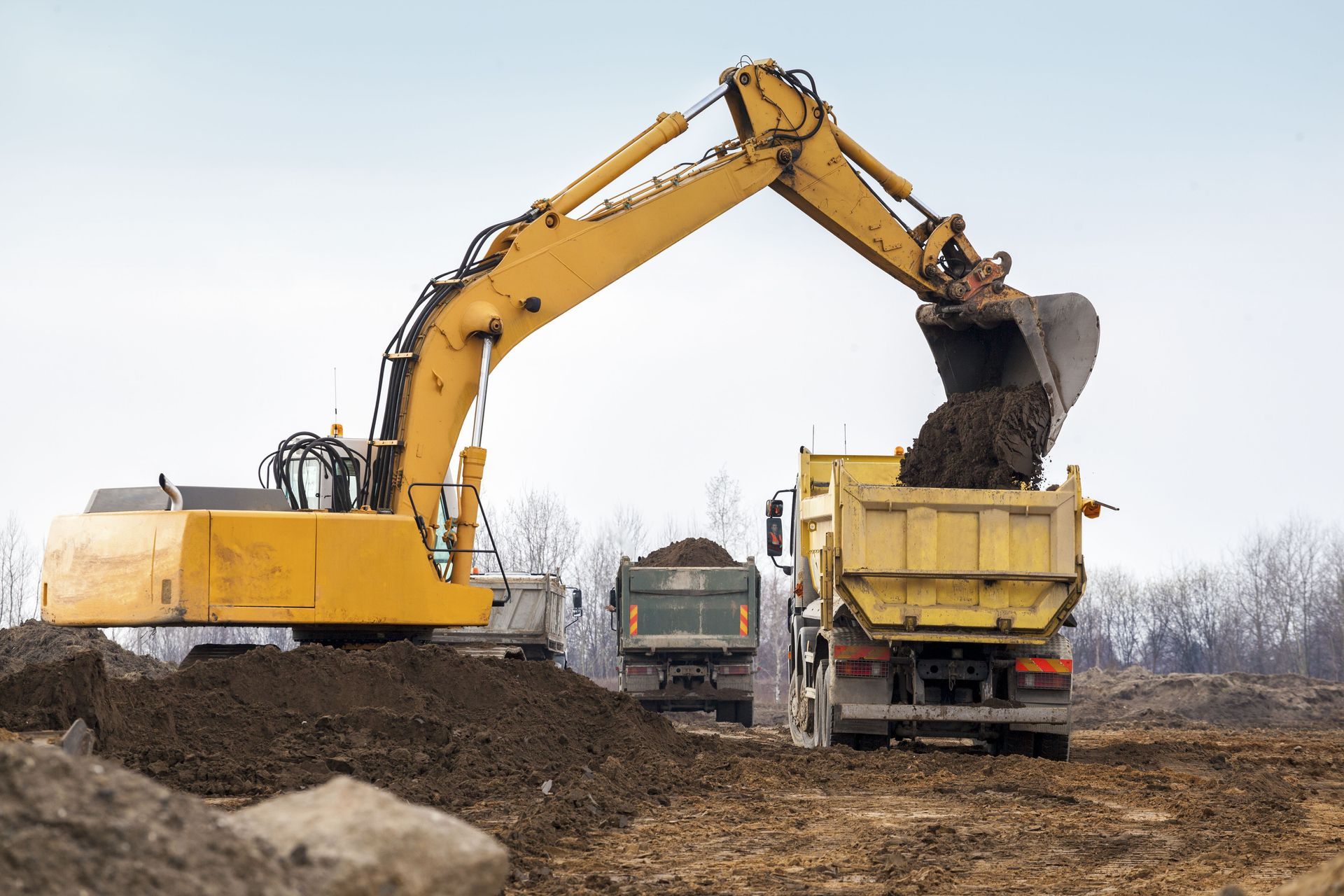
With the surface cleared of organic debris, the focus shifts to bulk earthmoving, where heavy machinery reshapes the terrain according to architectural blueprints. Hydraulic excavators, wheel loaders, and heavy dump trucks work in tandem to remove excess earth or bring in engineered structural fill. The sheer volume of material moved during these operations illustrates why heavy machinery is essential for project timelines. According to Bob Vila, a standard excavator usually moves between 350 and 1,000 cubic yards of earth per day. Heavy earthmoving equipment ensures that mass soil displacement occurs rapidly and precisely according to structural engineering specifications. Utilizing high-capacity machinery keeps excavation and site prep schedules on track while reducing labor costs.
Executing Foundation Trenching and Structural Hole Digging
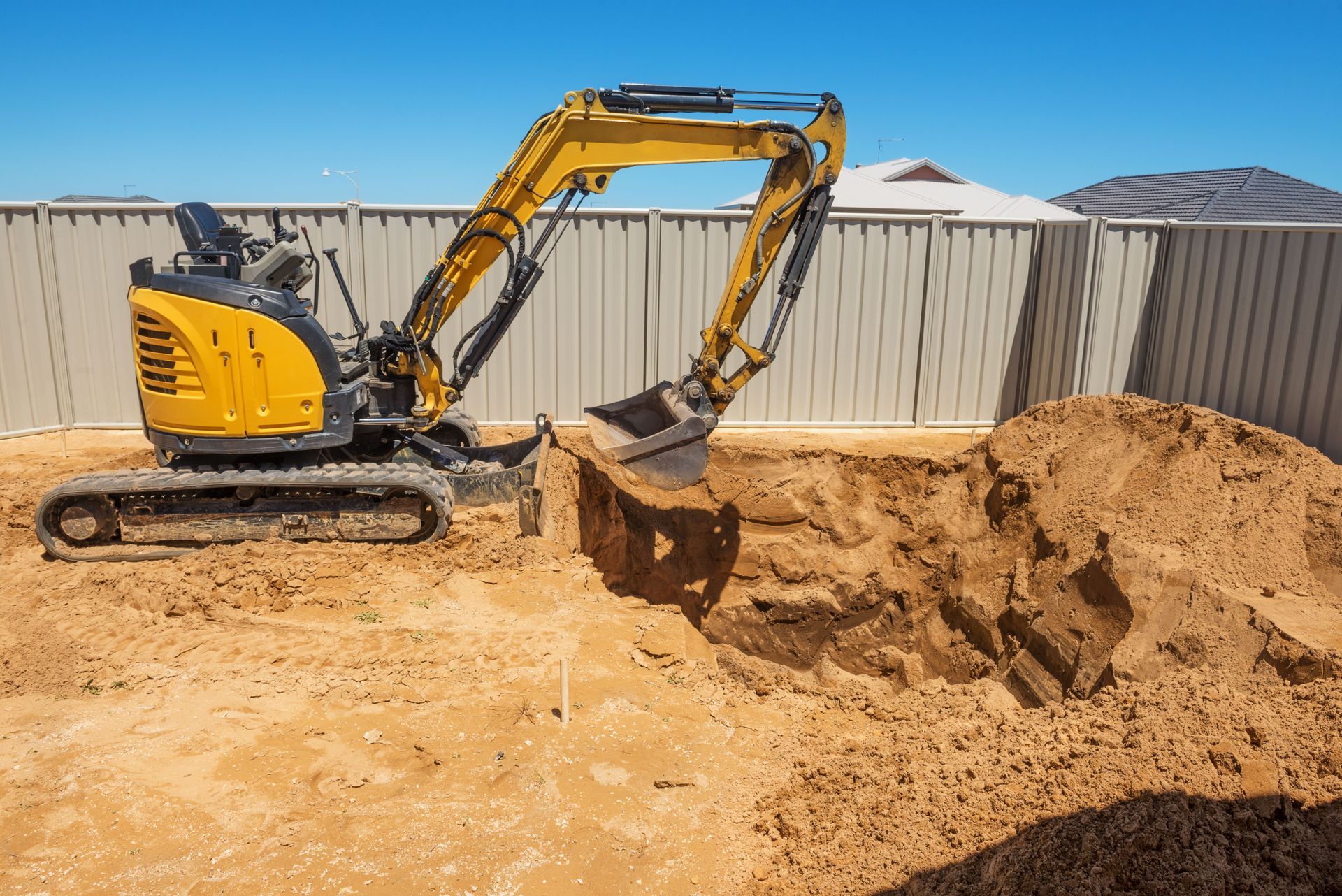
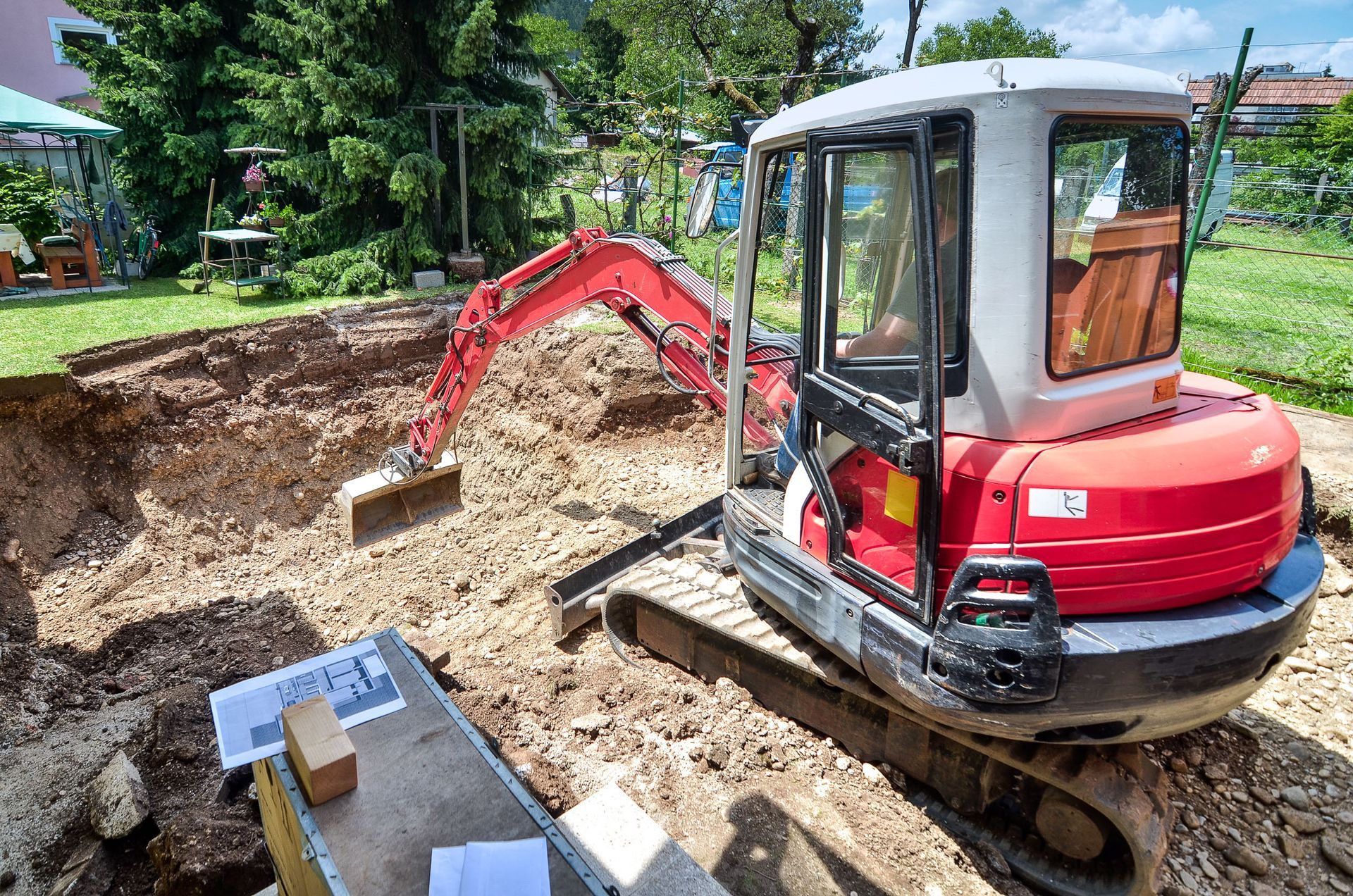
After bulk earthmoving brings the site close to rough grade, precision digging begins for foundational footings, basements, and utility trenches. Excavator operators carefully carve out trenches matching exact width and depth measurements specified by structural engineers. Maintaining precise trench wall slope angles prevents soil cave-ins and protects workers performing subsurface tasks. Proper foundation depth is critical to ensure footings sit below the local frost line, preventing seasonal ground heave from shifting the superstructure. Excavated soil must be managed carefully, with suitable fill set aside for backfilling around foundation walls once concrete cures. Precise trenching during excavation and site prep prevents unnecessary concrete overpouring and ensures structural load-bearing stability.
Installing Subsurface Utility Corridors and Infrastructure Pathways
Once main foundation trenches are carved, crew members begin establishing subsurface utility corridors to connect the building to essential municipal or private infrastructure. Underground trenches must be excavated at precise sloped gradients to allow gravity-fed wastewater and storm drainage to flow efficiently. Water supply pipes, electrical conduit lines, gas connections, and telecommunications cabling are laid carefully on bedded aggregate channels to prevent physical shearing under heavy soil pressure. Marking utility pathways with high-visibility tracer wire and protective warning tape ensures future maintenance crews can easily locate underground lines without causing accidental damage. Coordinating utility line installation alongside main excavation and site prep tasks saves significant time and prevents redundant digging after structural footings are poured.
Implementing Soil Compaction and Base Stabilization Techniques
Excavating and moving soil naturally loosens earth density, making mechanical soil compaction a mandatory phase of site development. Contractors use heavy smooth-drum rollers, padfoot compactors, or vibratory plates to pack down soil layers, eliminating air pockets and increasing density. Soil is added and compacted in thin layers, known as lifts, to ensure uniform density throughout the entire foundation pad. Adding water or drying out saturated soil helps achieve the optimum moisture content required for maximum structural density. Inadequate compaction can cause concrete foundations to crack, shift, or settle unevenly under the weight of the finished building. Rigorous soil testing following excavation and site prep ensures the subgrade meets strict engineering load capacities before foundation crews arrive.
Establishing Surface Drainage and Stormwater Controls
Controlling surface water runoff is an essential aspect of land development that protects the site during construction and preserves long-term structural integrity. Unmanaged water can quickly erode freshly graded soil, wash out foundation trenches, and flood low-lying areas of the property. Contractors shape the land with precise slopes, swales, and retention ponds to direct rainwater away from structural footprints. Installing silt fences, gravel construction entrances, and temporary drainage channels prevents sediment from washing onto adjacent properties or municipal storm drains. Proper grading ensures that water flows naturally toward established discharge points without pooling near building foundations. Integrating proactive water management into excavation and site prep protects project investments against heavy seasonal downpours.
Backfilling Foundation Walls and Finalizing Rough Grading
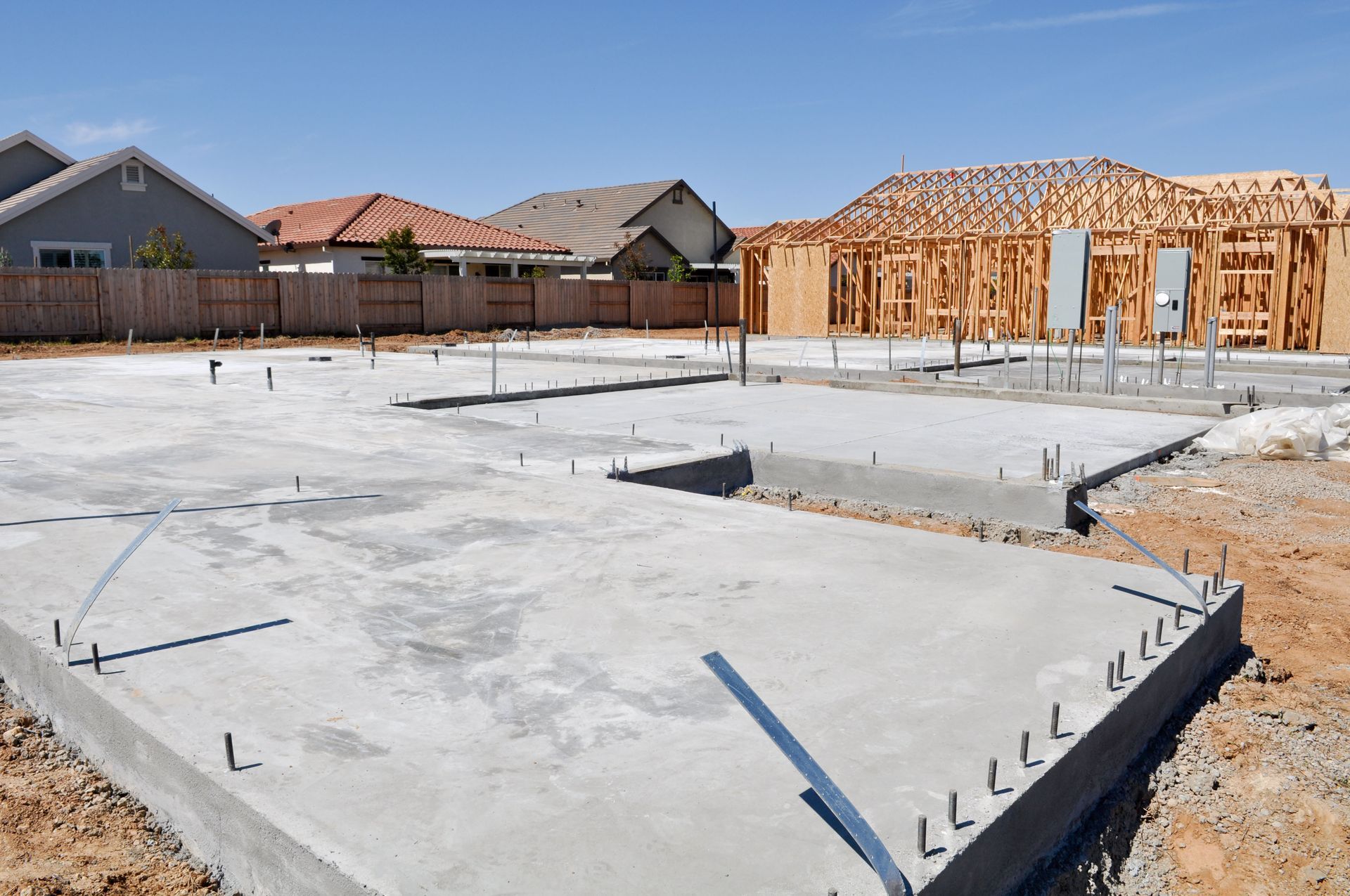
After foundation walls are poured, waterproofed, and fully cured, the surrounding empty spaces must be refilled with engineered backfill material. Contractors carefully place clean gravel or low-expansion soil around foundation walls, compacting it in lifts to prevent future settling along the building perimeter. Final rough grading slopes the soil downward and away from the building, establishing a gentle grade drop over the first several feet from the foundation. Correct backfilling techniques prevent water from pooling against basement walls and reduce hydrostatic pressure that causes interior foundation leaks. Finishing rough grade sets the stage for exterior utility connections, driveway installations, and final landscape design. Completing this final phase of excavation and site prep transforms the raw site into a ready surface for vertical building.
Navigating your first land development project can feel complex, but understanding the core stages of ground preparation makes the process manageable and rewarding. From preliminary utility mapping and land clearing to bulk earthmoving, foundation trenching, soil compaction, and water control, each step plays a crucial role in building a secure, long-lasting structure. Cutting corners during ground stabilization compromises the entire building and leads to severe structural issues over time. Partnering with skilled contractors who adhere to engineering guidelines ensures that every phase meets safety and quality standards. Investing in thorough planning and execution provides total peace of mind, knowing your structure rests on a firm foundation. Contact GSL Contracting LLC today to schedule your site evaluation and prepare your land for a successful build!