November 12, 2026
Excavation is one of the most important stages of any construction project. Whether preparing land for a new building, creating a basement, or clearing space for a foundation, the quality of the excavation work directly affects everything that follows. Proper planning, skilled equipment operation, and careful site preparation help establish a stable foundation for successful construction. Choosing an experienced excavating contractor can make a significant difference in how smoothly a project progresses, helping property owners avoid unnecessary complications, unexpected expenses, and preventable delays. Understanding what separates a dependable professional from an unreliable provider can help ensure the work gets done correctly.
Evaluate Experience and Professional Knowledge
Excavation requires more than operating heavy machinery. Professionals must understand soil conditions, drainage patterns, grading requirements, and the specific needs of each construction site. An experienced excavating contractor brings practical knowledge that helps identify potential challenges before they interfere with the project. This understanding is especially important when working with uneven terrain, compacted soil, or areas with difficult ground conditions.
Professional knowledge also helps ensure excavation work supports the larger construction plan. Improper digging or grading can create problems for foundation installation, underground utilities, and future landscaping. Contractors who understand how their work connects with other construction activities can make better decisions throughout the preparation process. Their experience helps establish a suitable starting point for the work that follows.
When evaluating potential providers, property owners should ask about previous projects involving similar site conditions and construction requirements. A contractor who has handled comparable work may be better prepared to recognize obstacles and recommend appropriate solutions. Reviewing completed projects can also provide insight into the quality and consistency of the contractor's workmanship.
Assess Equipment and Site Preparation Capabilities
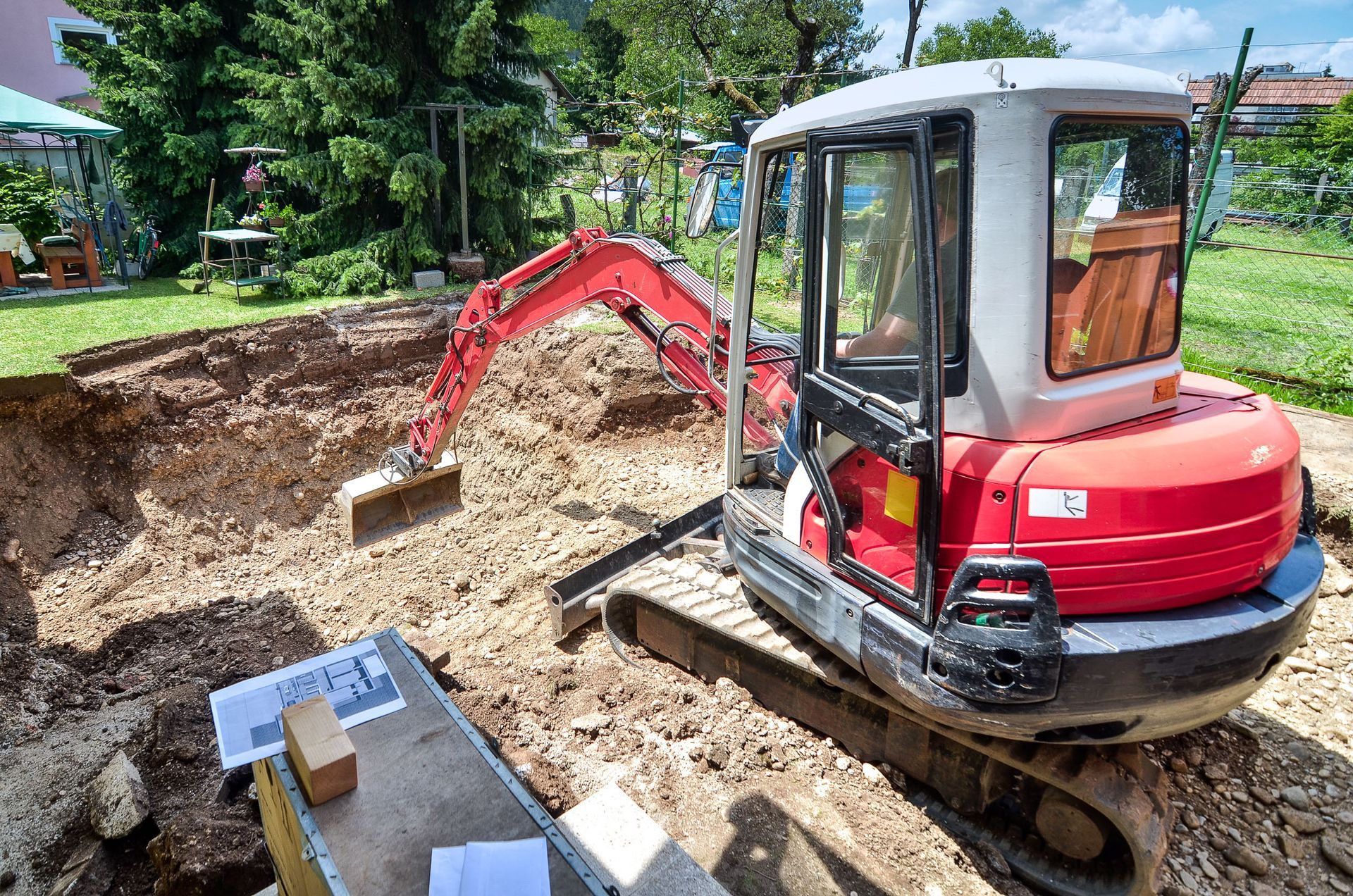
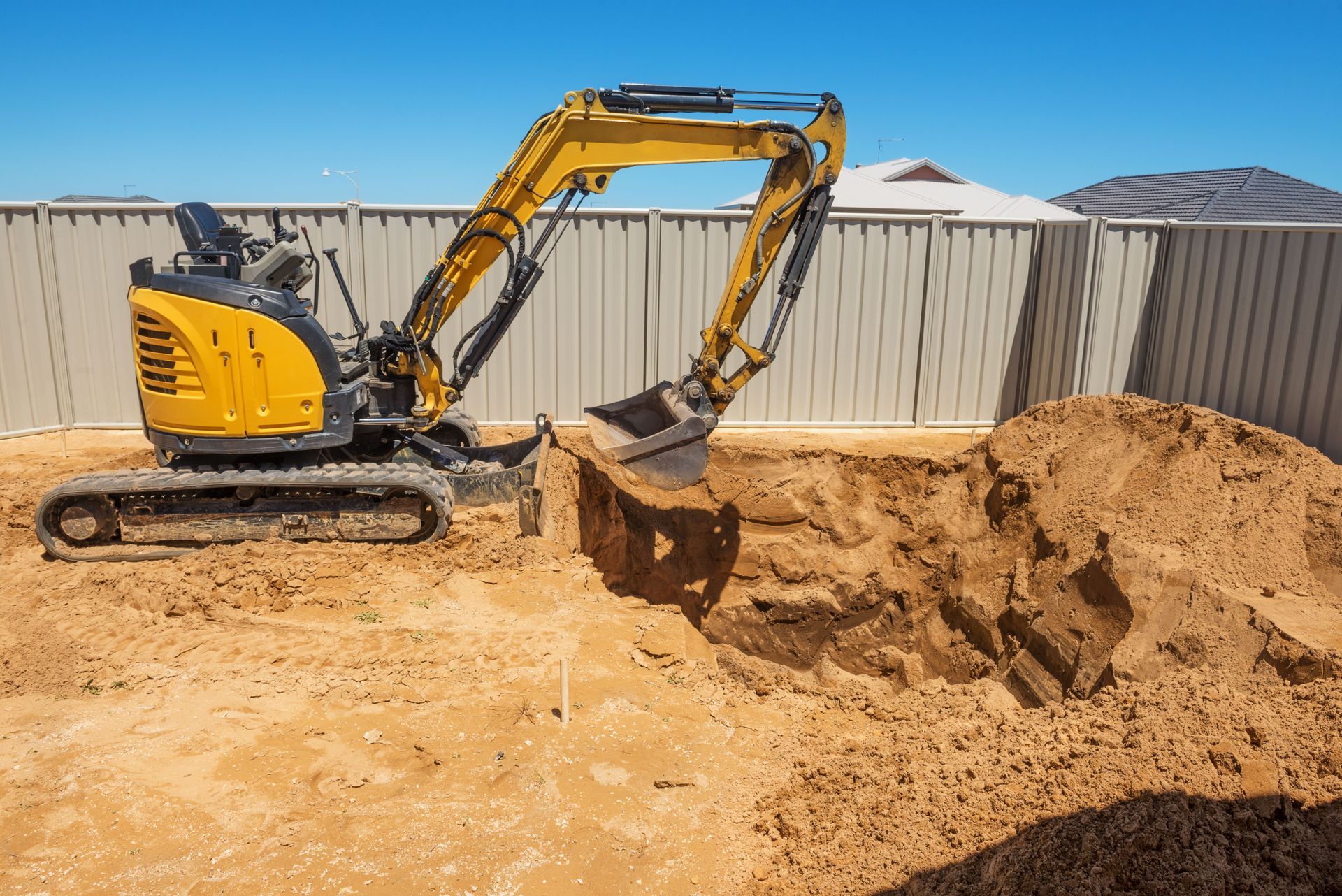
Having access to appropriate machinery is essential for completing excavation work efficiently and safely. Different projects require different equipment depending on soil composition, site accessibility, digging depth, and the amount of material that must be moved. An excavating contractor should understand which machines are appropriate for the job and how to use them without creating unnecessary disruption to the surrounding property.
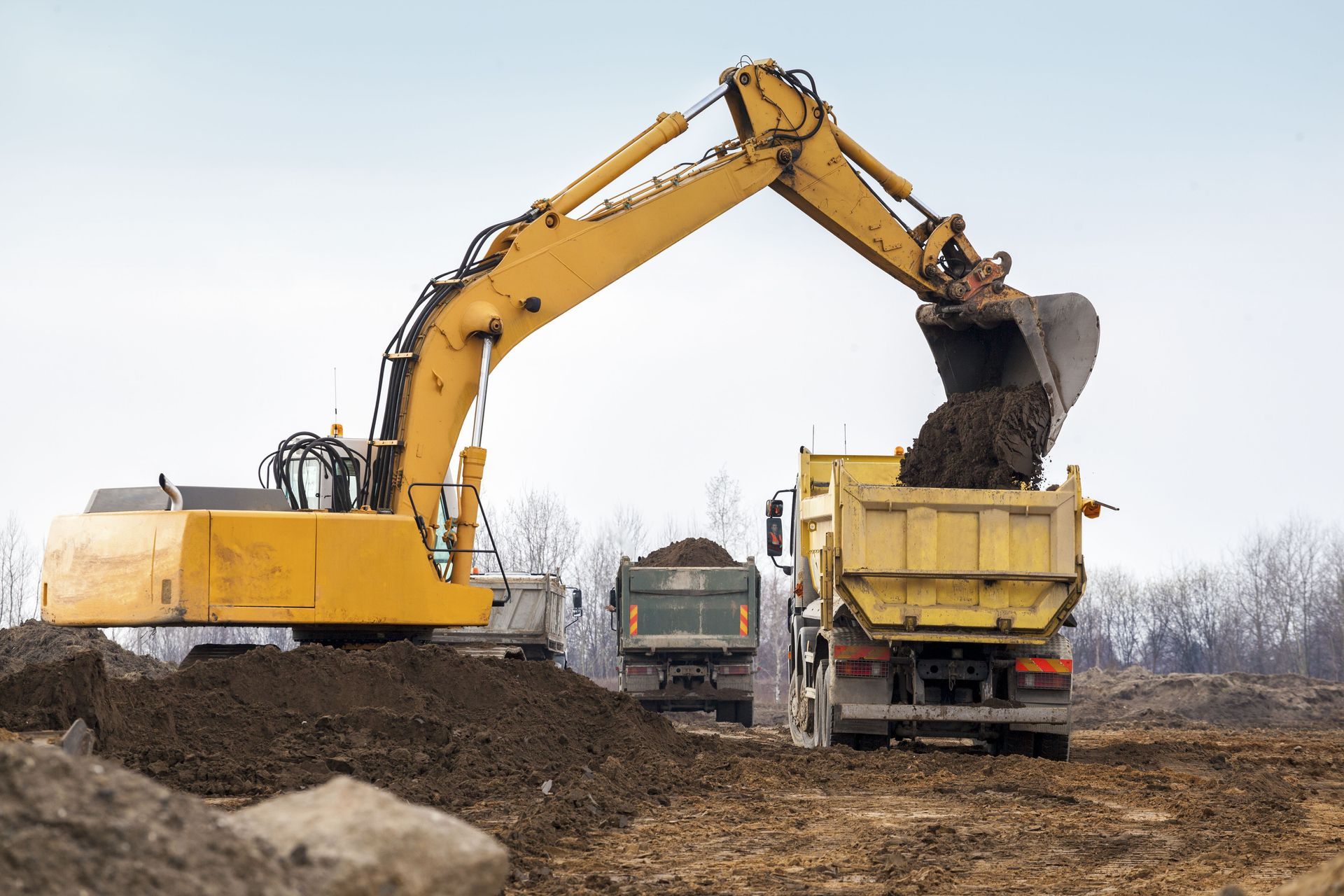
Equipment selection can influence both the quality and efficiency of the finished work. Excavators, bulldozers, skid steers, and other specialized machinery serve different purposes during site preparation. Using equipment that matches the project's requirements helps operators maintain better control over digging, grading, and material removal. Properly maintained machinery also reduces the likelihood of interruptions caused by mechanical problems.
Site preparation involves more than bringing equipment onto the property. Contractors must evaluate access points, identify potential obstructions, and determine how materials will be moved or removed. Planning these details beforehand helps prevent confusion once work begins. A provider who takes preparation seriously is more likely to complete the excavation process in an organized and controlled manner.
Prioritize Safety and Regulatory Compliance
Construction sites can present significant safety challenges, particularly when excavation involves underground utilities, unstable soil, or deep trenches. A responsible contractor recognizes these hazards and takes appropriate precautions before beginning work. Careful planning, proper equipment operation, and established safety procedures help protect workers, property owners, and surrounding structures throughout the project.
Before excavation begins, underground utility locations should be identified to reduce the risk of damaging electrical lines, water pipes, gas lines, and communication infrastructure. Striking an underground utility can cause dangerous conditions, expensive repairs, and substantial construction delays. Professional contractors understand the importance of coordinating utility identification and following applicable requirements before disturbing the ground.
Regulatory compliance is another important consideration. Depending on the property and the scope of the work, excavation may require permits, inspections, or adherence to local construction and environmental regulations. A knowledgeable excavating contractor should understand which requirements apply and help ensure the project follows the appropriate procedures. Ignoring these responsibilities can create complications that affect both construction schedules and project budgets.
Understand the Importance of Proper Drainage and Grading
Excavation and grading play an important role in controlling how water moves across a property. Poor grading can allow rainwater to collect near foundations, flow toward buildings, or create persistent wet areas throughout the landscape. These conditions may contribute to erosion, foundation concerns, and other drainage-related problems.
A qualified excavating contractor considers existing terrain, soil characteristics, and the property's intended use when developing a grading plan. Simply moving dirt around is not enough to produce a suitable result. The finished surface must support the construction objectives while accounting for how water will travel across the property. Attention to these details helps prevent avoidable drainage issues after construction is complete.
Basement construction provides a good example of why accurate excavation matters. The amount of soil that must be removed can be substantial, making planning and equipment selection especially important. According to This Old House, a basement measuring 1,000 square feet generally requires the removal of approximately 300 cubic yards of soil during excavation. This illustrates why proper site evaluation and material management are essential before major digging begins.
Compare Communication and Project Transparency
Clear communication helps establish realistic expectations before excavation work starts. Property owners should understand what the project includes, which services are covered, and how potential complications will be addressed. A professional contractor should be willing to explain the proposed approach, discuss site conditions, and answer questions without making the process unnecessarily confusing.
Detailed estimates are another important part of the selection process. Excavation costs can vary depending on soil conditions, accessibility, equipment requirements, material removal, and the overall scope of the work. Comparing estimates helps property owners understand what different providers are offering. However, the lowest price does not necessarily represent the best value, particularly if important preparation or cleanup services are excluded.
Communication should also continue after work begins. Unexpected underground obstacles, unsuitable soil, or changing weather conditions may require adjustments to the original plan. A dependable excavating contractor communicates these developments promptly and explains how they may affect the project. This transparency allows property owners to make informed decisions instead of being surprised by unexplained changes or additional expenses.
Choose Reliability and Long-Term Value
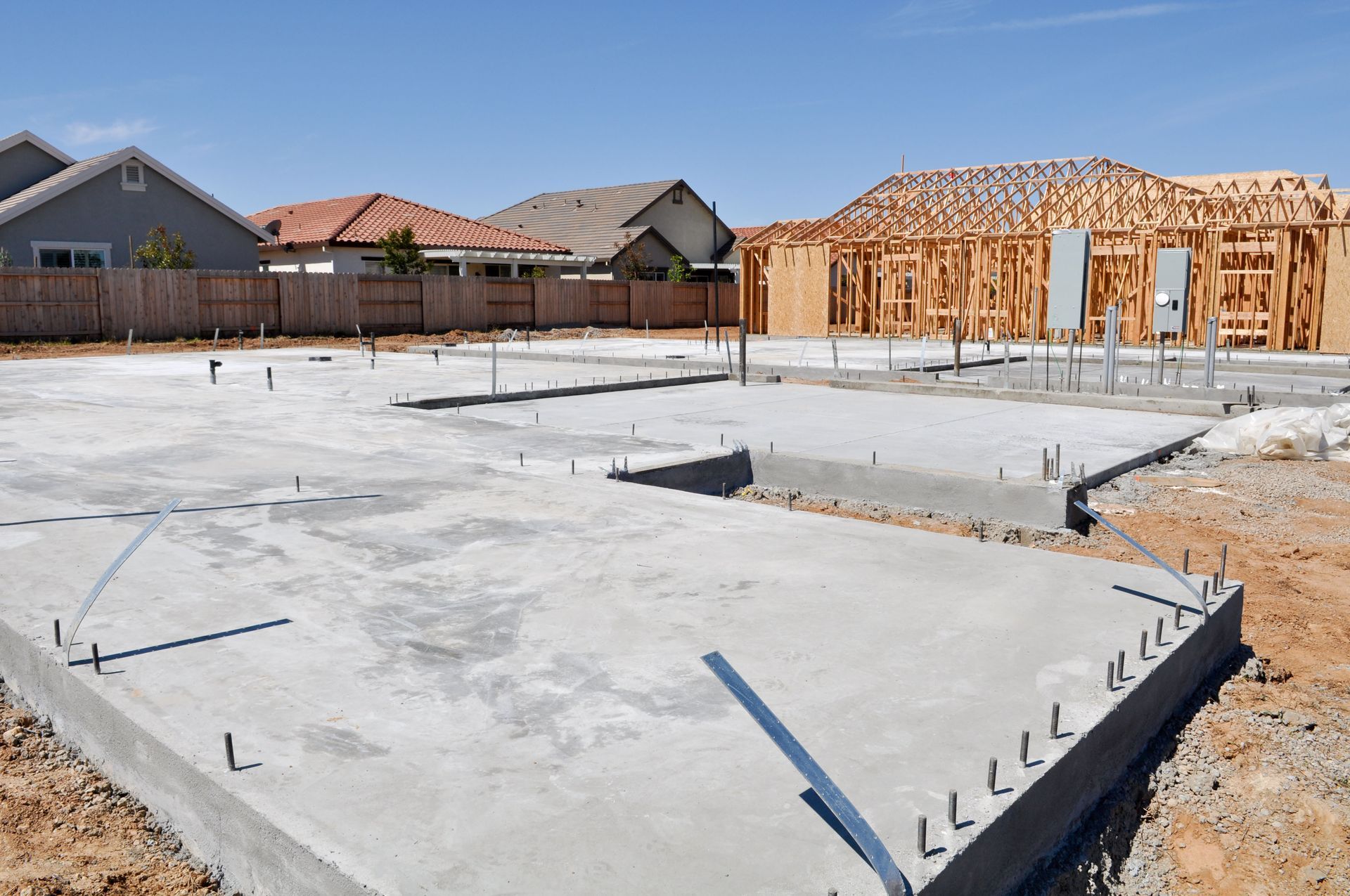
The quality of excavation work can influence the performance and durability of everything constructed above it. Poorly prepared ground may contribute to foundation instability, drainage problems, uneven surfaces, and difficulties during later construction stages. Investing in qualified professionals helps reduce the likelihood of these complications and supports better results throughout the project.
Reliability is especially important when excavation is part of a larger construction schedule. Other contractors may depend on the site being properly prepared before they can begin foundation work, utility installation, or building construction. Delays during excavation can affect multiple stages of the project, creating scheduling challenges and additional costs.
Property owners should also consider the contractor's reputation, references, and approach to customer service. Reviews and recommendations can provide useful insight into how a provider handles responsibilities, communicates with clients, and resolves unexpected issues.
Ultimately, choosing the right professional is an investment in the overall success of a construction project. An excavating contractor who combines experience, appropriate equipment, safety awareness, and dependable communication can help establish the conditions needed for quality construction.
When the success of a construction project depends on properly prepared ground, choosing the right team matters. GSL Contracting LLC can help turn site preparation goals into a solid starting point for the work ahead. Contact the team today to discuss an upcoming excavation project and take the next step toward getting the job done right.