July 27, 2026
When you think about transforming your property, excavating might not be the first thing that comes to mind, but it is undeniably the most critical step to ensuring long-term structural success. Often misunderstood simply as "digging a hole," site preparation is a highly technical, precision-driven phase of construction. It sets the stage for structural integrity, proper water management, and beautiful landscape longevity. In this comprehensive homeowner's guide, we will explore everything you need to know to confidently approach your next major outdoor project.
Understanding the Basics of Excavating
At its core, excavating is the specialized process of moving earth, rock, or other materials using specialized tools and heavy equipment. However, in the realm of residential construction and contracting, it is a delicate dance of engineering and environmental management. It is not merely about bulk material removal; it is about creating a highly precise void that will soon be filled with a concrete foundation, an underground drainage system, or a sturdy hardscaping base.
The overall process involves several specific techniques tailored to the project at hand. Trenching, for example, involves digging narrow, deep channels primarily used for burying utility lines, sewer pipes, or installing exterior drainage. Grading, on the other hand, is the process of leveling or meticulously sloping the ground surface to ensure proper water runoff and create a perfectly flat base for patios or driveways.
Furthermore, excavating requires a deep understanding of soil composition. In Central New Jersey, contractors often encounter a challenging mix of heavy clay, loose loam, and rocky subsoils. Each soil type behaves differently when disturbed by heavy machinery. Professionals must carefully assess these soil types to determine the necessary digging depth, the optimal angle of the trench walls to prevent dangerous cave-ins, and the exact type of machinery required to handle the material safely and efficiently.
Identifying Common Residential Applications
Many property owners drastically underestimate the wide variety of home improvement projects that require heavy machinery and professional site preparation. Properly executing this initial phase ensures that the final product is durable, safe, and entirely up to code. Here are the most common scenarios where expert site preparation is mandatory.
Preparing Foundations for New Builds
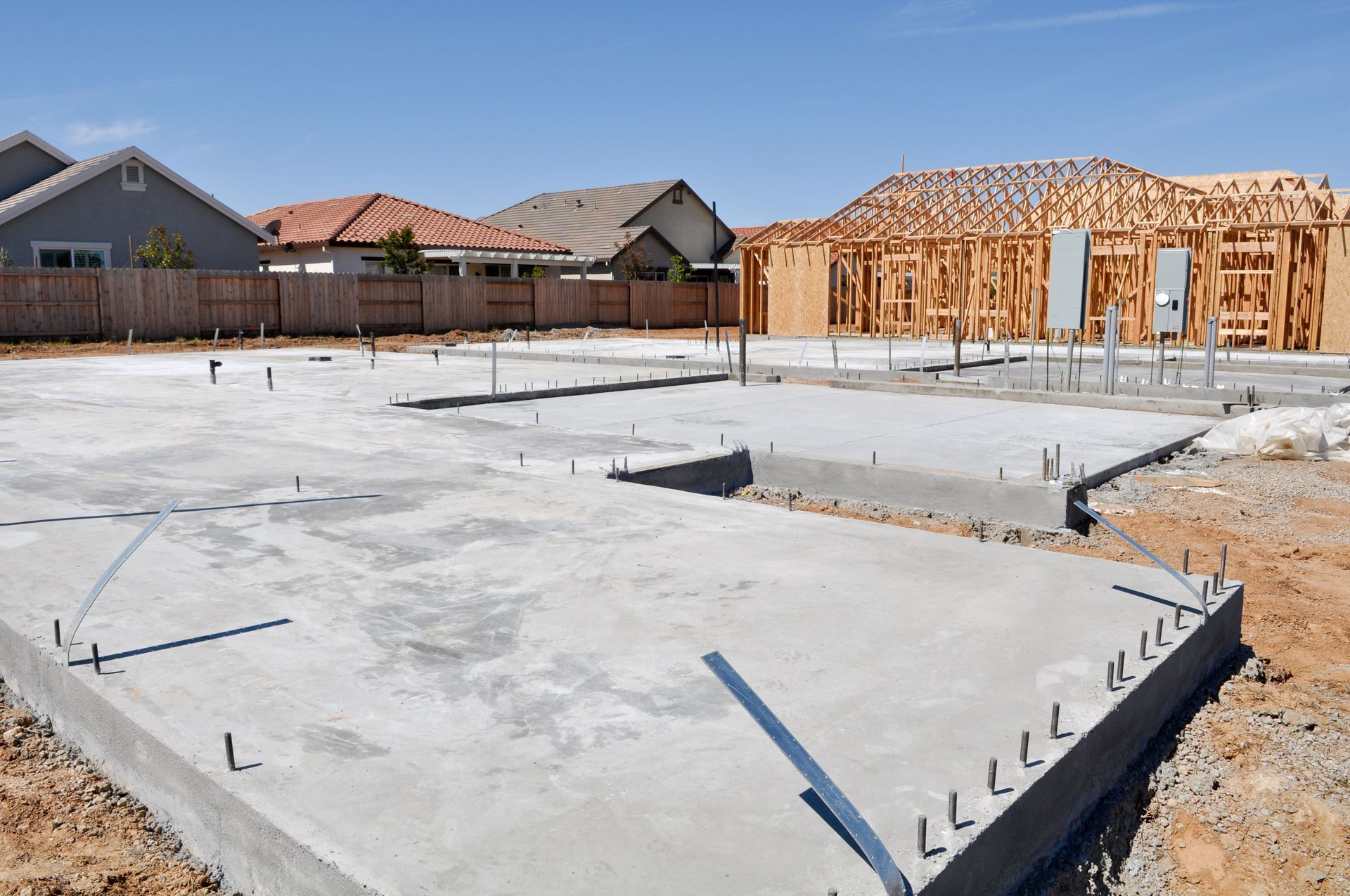
If you are adding a new room, building a detached garage, or constructing a home from scratch, the foundation is your starting point. Before a single drop of concrete is poured, the site must be thoroughly cleared and dug to specific dimensions. This requires digging well below the local frost line—which is absolutely crucial in New Jersey to prevent the winter freeze-thaw cycle from shifting and cracking the foundation over time. The earth is removed, the base is meticulously compacted, and precise trenches are created for the foundation footings.
Implementing Drainage and Grading Solutions
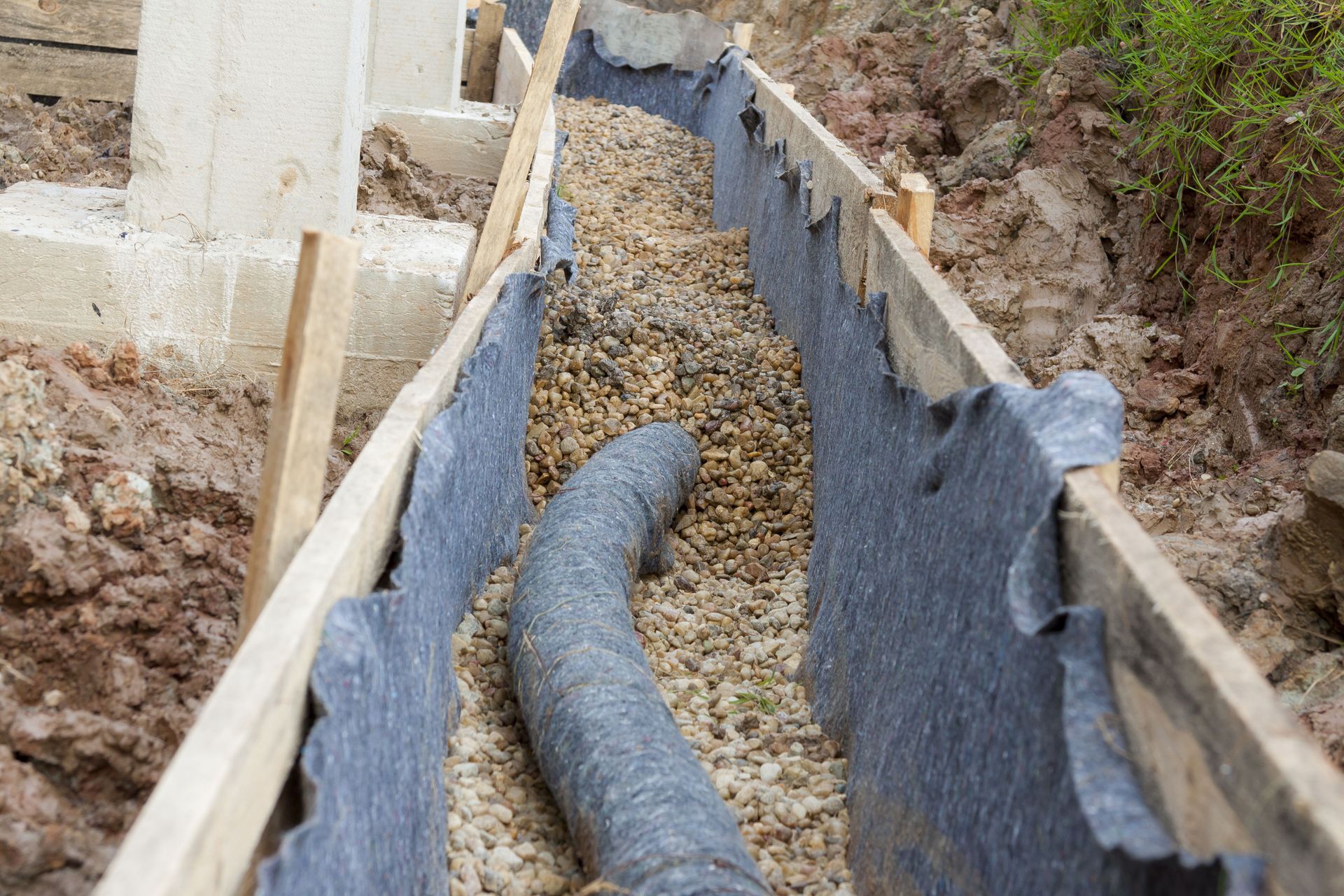
Water is a residential property's biggest enemy if not actively and properly managed. If your yard resembles a swamp after a heavy spring rain, or if water is actively seeping into your basement, you have a severe drainage issue. Solving this often involves earth removal. Trenching is required to install highly effective exterior French drains, bury sump pump discharge lines, or expose basement walls for complete exterior waterproofing. Additionally, land grading is utilized to permanently change the slope of your yard, actively directing surface water away from your home's foundation to protect its structural integrity.
Readying Sites for Hardscaping and Landscaping
GSL Contracting LLC specializes in transforming ordinary backyards into extraordinary outdoor oases with beautiful pavers, retaining walls, patios, and custom fire pits. However, laying heavy pavers directly on soft topsoil is a recipe for disaster. The organic soil must be completely removed to a specific depth to accommodate a highly compacted crushed stone base and a layer of leveling sand. Retaining walls also require a deep trench for the base course and significant digging behind the wall structure to install proper backfill and perforated drainage pipes.
Digging for Plumbing and Sewer Lines
Underneath your manicured lawn lies a vital network of utility lines. When a main sewer line collapses or a fresh water main bursts, gaining access to these critical pipes requires deep, precise digging. Professional machinery must be used to carefully expose the damaged pipe without causing further harm to surrounding underground utilities or completely destroying the property’s existing landscape.
Executing the Step-by-Step Preparation Process
While every residential project is completely unique, the actual physical labor follows a strict, highly systematic approach to ensure maximum safety, strict accuracy, and project efficiency.
Conducting Initial Surveys and Planning
Before a single shovel of dirt is moved, a comprehensive execution plan is established. This involves reviewing architectural blueprints, confirming property lines, and adhering to local zoning laws. One of the most critical steps during this phase is contacting local utility companies to clearly mark underground gas, electric, water, and telecommunication lines to avoid catastrophic accidents.
Clearing and Grubbing the Site
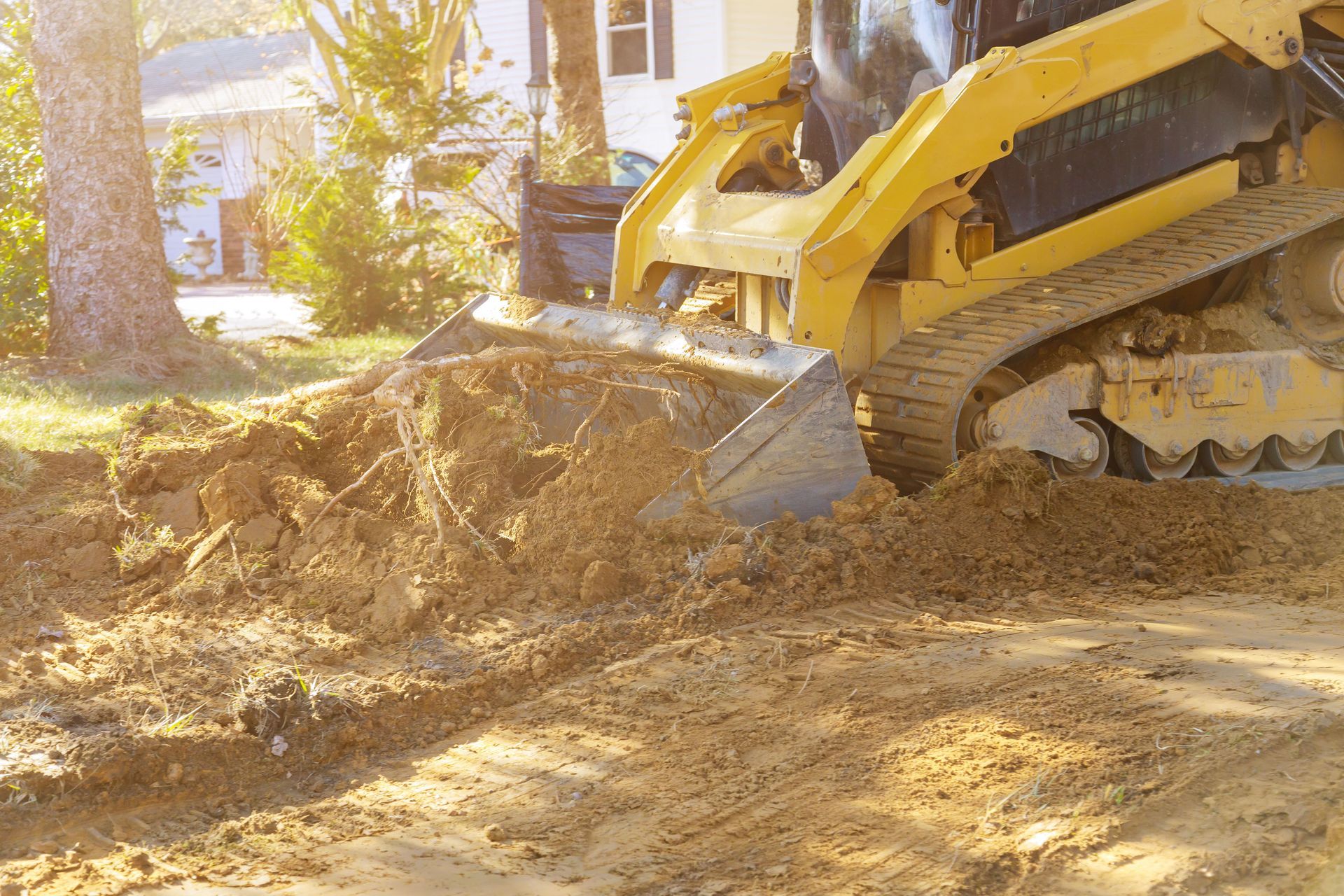
The designated site must be entirely cleared of surface obstacles. This vital step, known as grubbing, involves the physical removal of trees, shrubs, deep root systems, large boulders, and any existing structures or old concrete slabs. Removing organic material from the top layer of soil is vital, as decomposing roots and plant matter can cause the ground to settle unevenly in the future.
Performing the Heavy Digging Phase
Once the site is cleared, the heavy machinery is finally brought in. Depending on the sheer scale and physical accessibility of the project, contractors may use massive tracked excavators, versatile backhoes, or agile compact skid steers. Expert operators carefully remove the soil to the precise depth and dimensions required by the structural plans. The removed dirt is either loaded directly onto dump trucks and hauled away or neatly stockpiled on the property if it will be needed for backfilling operations later.
Completing Backfilling and Compaction
After the new foundation is poured, the heavy retaining wall is built, or the collapsed sewer line is successfully replaced, the remaining voids must be completely filled. Backfilling is the careful process of returning soil to the trenches or around foundations. However, you cannot simply dump loose dirt back into a hole. The soil must be placed in manageable layers and mechanically compressed using heavy plate compactors. This aggressive compaction forces the trapped air out of the soil, permanently preventing future settling that could easily crack concrete patios or cause dangerous sinkholes.
Estimating Realistic Project Timelines
A very common question homeowners ask is exactly how long they can expect heavy, noisy machinery to be operating on their private property. The timeline for these projects can vary wildly depending on the overall scope of the work and the natural environment. According to HomeGuide, excavation takes one to three days for small projects, and up to three weeks or more for large or rocky sites.
For example, digging a standard trench for a residential sewer line repair or simply preparing a shallow base for a standard backyard paver patio might only take a single workday. Conversely, digging out a massive full basement foundation for a new home, especially if the crew encounters hidden subterranean boulders, unexpectedly high water tables, or intensely difficult clay subsoil, will undoubtedly push the timeline to the longer end of the spectrum.
Nature also plays a massive role; heavy seasonal rains can instantly turn a worksite into a muddy, impassable hazard, forcing a temporary pause in operations to ensure crew safety and prevent illegal soil erosion. By partnering closely with experienced professionals, you can confidently ensure that the duration of excavating is kept as brief and efficient as possible, minimizing daily disruption to your family's life.
Whether you are finally resolving a chronically flooded basement with custom exterior French drains, upgrading your aging underground plumbing infrastructure, or actively creating the ultimate backyard entertainment space with beautiful custom pavers, every truly great construction project strictly starts from the ground up. When you are fully ready to start excavating for your brand new home addition or tackling that essential yard drainage project, always trust the deeply experienced professionals at GSL Contracting LLC. Contact our friendly team today to secure your free project estimate and take the very first confident step toward completely transforming your home's beautiful outdoor space.